Investigating How Loyalty Rewards Interact With Seasonal Deposit Incentives to Shape Participation Patterns in Mobile Table Game Environments
Ulrich Schmidt · Sep 6, 2026
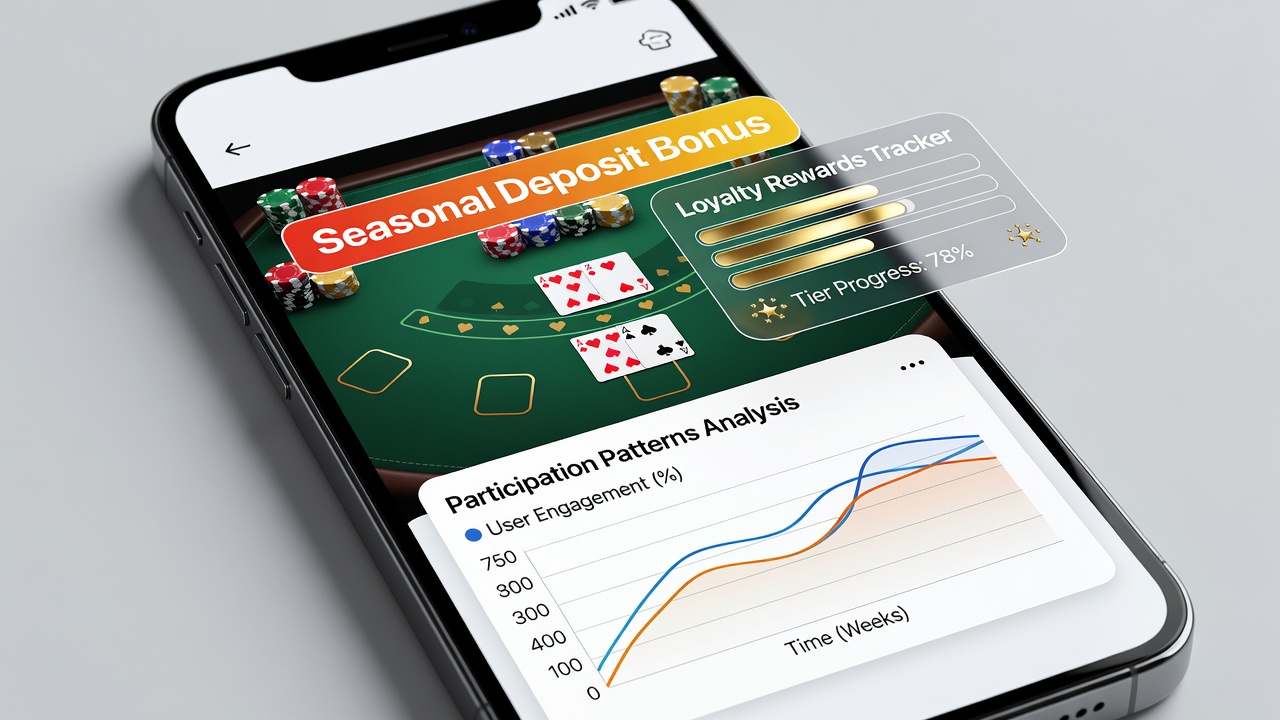
Investigating How Loyalty Rewards Interact With Seasonal Deposit Incentives to Shape Participation Patterns in Mobile Table Game Environments
Researchers examining mobile table game environments have documented clear patterns where loyalty reward structures combine with seasonal deposit incentives to influence when and how often players engage with blackjack, roulette, and poker variants on their devices, and data collected across multiple platforms during 2025 and into 2026 reveals measurable shifts in session frequency and game selection tied directly to these overlapping promotional mechanics.
Loyalty Programs in Mobile Table Game Contexts
Loyalty systems in mobile table game platforms typically award points based on wager volume and time spent in specific titles, yet these points convert into tiered benefits such as cashback percentages or exclusive tournament entries that become more attractive when paired with deposit matches offered during holiday periods or seasonal campaigns, and analysts tracking user behavior note that players often accelerate their point accumulation right before incentive windows open because the combined value of earned rewards and fresh deposit bonuses creates a higher effective return on each session.
Studies conducted by academic teams at institutions focused on digital gaming behavior show that loyalty tiers function as a retention anchor because higher status levels unlock multipliers that apply to both regular play and seasonal deposit bonuses, which means participants who reach gold or platinum status in September 2026 were observed maintaining consistent weekly activity even when deposit incentives temporarily paused between major promotional cycles.
Seasonal Deposit Incentives and Their Timing
Seasonal deposit incentives usually launch around calendar events such as summer tournaments or end-of-year celebrations, and they frequently offer percentage-based matches capped at certain amounts that reset on a monthly or quarterly schedule, while platform operators adjust the timing of these offers to align with periods when loyalty point expiration dates approach so that players feel pressure to deposit and play in order to preserve or upgrade their accumulated benefits.
Figures from regulatory reports issued by the New Jersey Division of Gaming Enforcement indicate that deposit incentive uptake in table game categories rises sharply during the first two weeks of each promotional window, and this surge correlates with increased use of loyalty point redemption options that only become available once a qualifying deposit has been processed.
Interaction Effects on Participation Patterns
When loyalty rewards and seasonal deposit incentives operate together, participation in mobile table games tends to cluster around specific days of the week and times of day, because players who receive loyalty bonuses often wait for deposit match periods to maximize the combined value, and traffic data from several major operators demonstrates that table game sessions lasting longer than forty-five minutes increase by measurable margins during overlapping promotional windows compared with non-overlapping periods.

One longitudinal review compiled by researchers at the University of Sydney's gambling research unit tracked thousands of accounts over eighteen months and found that players exposed to both loyalty multipliers and seasonal deposit matches migrated toward higher-stakes table variants more frequently than those receiving only one type of incentive, while average session intervals shortened because the dual mechanics encouraged repeated logins within shorter timeframes to meet playthrough thresholds.
Observed Behavioral Shifts Across Player Segments
Segmentation analyses reveal that casual participants respond most strongly to the immediate deposit match component, whereas frequent players prioritize the long-term loyalty tier benefits that seasonal incentives help them maintain, and platform telemetry collected in late 2025 showed that the latter group increased table game participation by scheduling deposits to coincide with loyalty point bonus drops released during seasonal campaigns.
Canadian provincial data shared through industry research channels further indicates that mobile table game engagement in provinces with regulated online markets follows predictable cycles tied to these overlapping incentives, with September 2026 records showing elevated activity in poker and roulette formats once loyalty redemption windows aligned with autumn deposit promotions.
Measurement Challenges and Available Data
Quantifying the precise interaction requires access to anonymized account-level data that combines loyalty point ledgers with deposit timestamps, and while some operators publish aggregated statistics through trade associations, detailed cross-tabulations remain limited, yet available evidence from multiple jurisdictions consistently points to heightened participation density when the two incentive types overlap rather than run in isolation.
Industry reports from the European Gaming and Betting Association have highlighted similar patterns in European markets, noting that mobile table game volumes respond more elastically to combined incentives than to standalone loyalty structures because the deposit component provides immediate capital that players then leverage through their existing reward multipliers.
Conclusion
Current evidence demonstrates that loyalty rewards and seasonal deposit incentives jointly shape participation patterns in mobile table game environments by creating synchronized incentives that influence timing, duration, and game type selection, and continued monitoring through 2026 and beyond will clarify whether these interactions produce sustained shifts or merely temporary spikes in activity across different player cohorts.